ServicesRV Parking Pads
Concrete RV Parking Pads in Costa Mesa
We build RV pads that hold the weight of a motorhome or trailer without cracking or sinking. You get a pad sized to your rig, sloped to drain, and a realistic timeline from first visit to the day you can park on it.
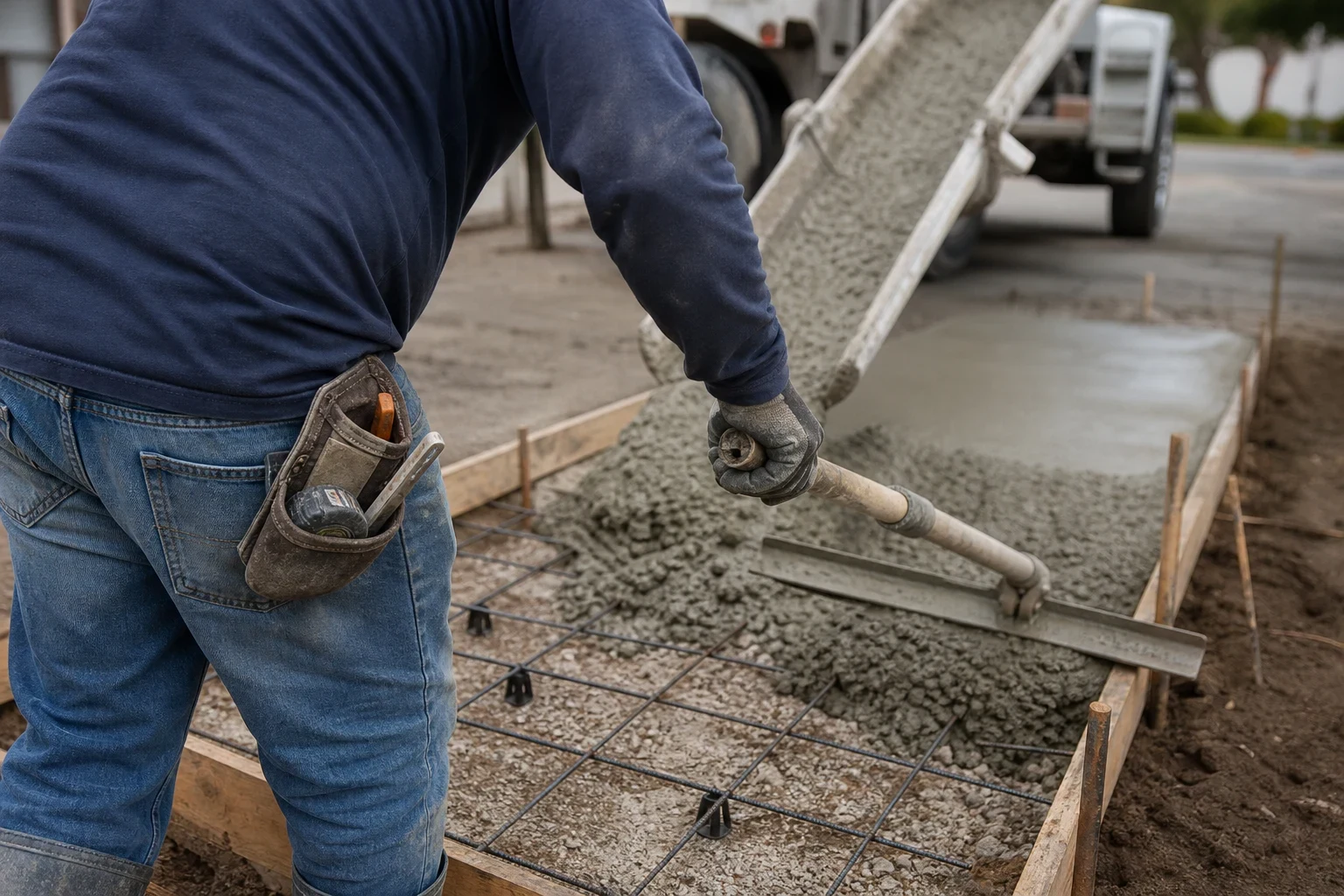
A pad made for heavy, parked weight
An RV is not a car. A loaded motorhome can put many times more weight on the ground, and it sits in one spot for weeks. Leveling jacks and stabilizers press down on small points. A thin slab poured like a patio will crack under that load, and gravel shifts and ruts.
We pour RV pads thicker than standard flatwork, reinforce them with steel, and set them on a compacted base so the weight spreads evenly. The pad is sloped so rain runs away from your home and off the slab instead of pooling under the tires.
Timing matters with this job because your RV has to live somewhere while the concrete cures. We tell you up front when we pour, when you can walk on it, and when the rig can come home, and we call you if anything moves.
What goes into your RV pad
Measuring and marking
We measure your rig, the opening at the gate or side yard, and the room you need to back in and straighten out. The pad is then laid out so it works for everyday parking, not only on a drawing.
Digging out and building the base
Soft dirt and roots come out, base rock goes in, and we compact it in layers. A lot of local soil is clay that swells when it gets wet, so a firm, well-packed base keeps the slab from shifting.
A deeper slab with steel
We set rebar on small supports so it stays centered in the concrete, where it actually adds strength. Depth is matched to how heavy your RV is.
Slope and planned joints
The surface falls gently away from your home so water runs off. We cut control joints so any normal shrinkage cracking follows straight lines we chose.
A textured surface that grips
We drag a broom across the fresh concrete to leave a light texture that keeps tires and feet from slipping in wet weather. If you would like it to tie in with stamped concrete nearby, we can go over options.
Haul-off and cure dates in writing
Dirt, debris and form boards leave with us. You also get written dates for walking on the pad, parking a car and bringing the RV home.
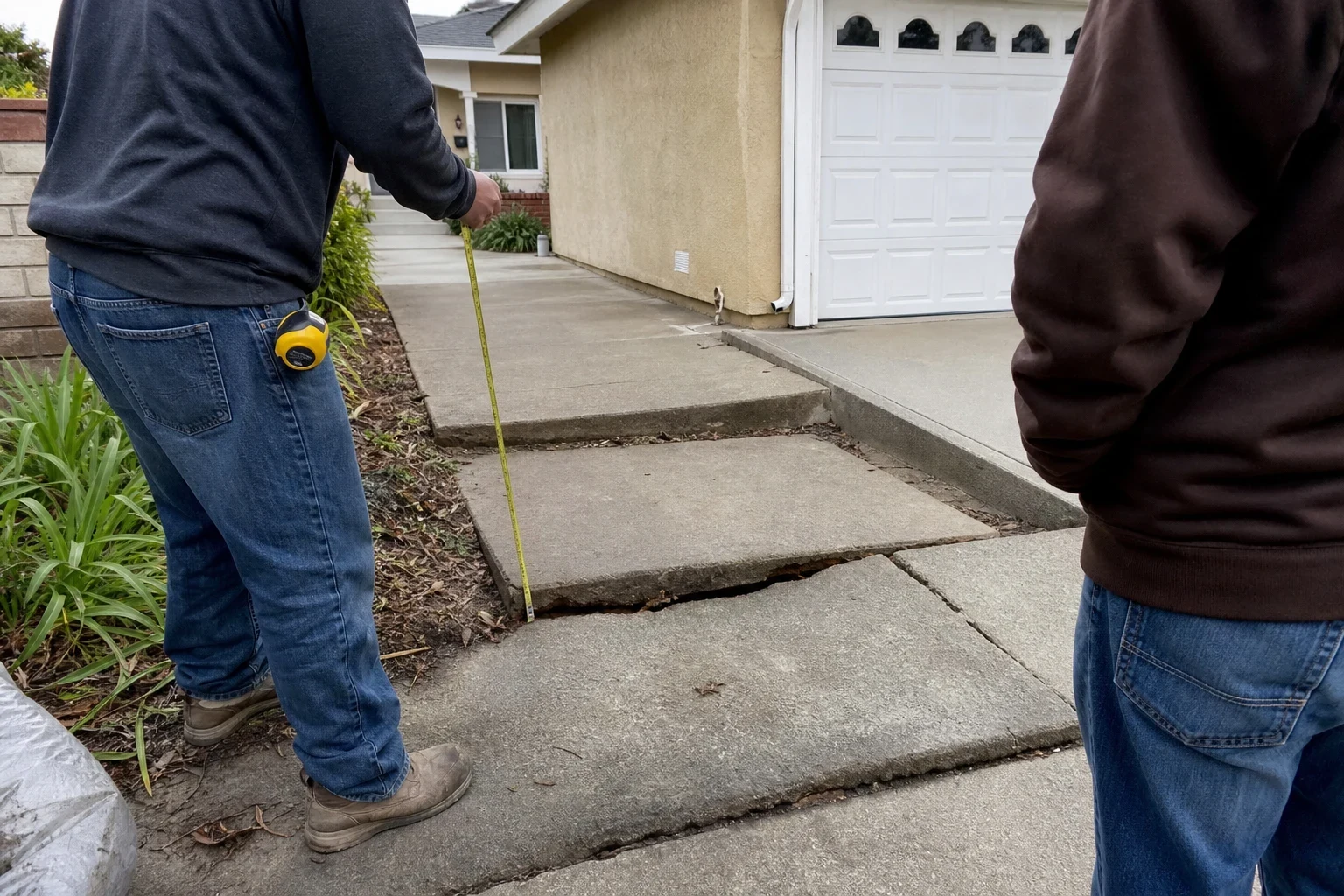
When an RV pad starts to make sense
- Tires sinking into gravel or grass
- After a rain the wheels settle in and the rig sits crooked. A concrete pad stays flat and solid in every season.
- Cracks showing up in the driveway
- Most driveways were never designed to carry an RV week after week. Giving the rig its own pad moves that weight off.
- Dirt and weeds creeping in
- Mud gets carried inside and weeds sprout around the wheels. Concrete keeps the parking spot tidy and simple to hose off.
- Re-leveling every visit
- Having to adjust the jacks each time you step inside is a clue that the ground underneath is moving.
- A new rig on the way
- Building the pad before the RV is delivered gives the concrete time to cure, so the spot is ready on pickup day.
Your RV pad, step by step
- 1
A first conversation and a yard visit
You tell us about your RV and your property, and we book a visit for a time that suits you. We give you an arrival window and show up inside it.
- 2
Itemized quote and a pour date
We send a line-by-line quote along with a target pour date. We also point out anything worth checking first, such as HOA rules or whether the layout reaches the public sidewalk.
- 3
Getting the ground ready
Digging, base rock and forms typically happen ahead of pour day. We keep paths and gates open so getting in and out of your home stays easy.
- 4
Placing the concrete
The trucks arrive, and we place, finish and cut joints in one day. If the weather or the plant delays the pour, you get a call from us right away with the new date.
- 5
Final walk-through
Once it is done, we look over the pad with you and confirm the dates for driving on it and parking the RV.
Where the money goes on an RV pad
We price each RV pad from your measurements and your site, never from a flat rate. The biggest pieces are the footprint, the depth of the slab and how much work the ground needs before any concrete arrives. Your quote lists each part on its own line, so nothing shows up later as a surprise.
- Footprint and depth
- A long Class A motorhome calls for a bigger and deeper slab than a compact travel trailer. More square feet and more inches both mean more concrete and steel.
- Getting materials in
- When the truck can back right up to the forms, the pour goes quickly. If the pad sits behind a tight gate or down a slim side yard, we may have to move concrete by hand cart or bring in a pump, which adds crew hours.
- What has to come out first
- Broken old slabs, stumps and roots, or soft clay that swells in wet weather all get removed before base rock goes down. The more digging and hauling, the higher that line on the quote.
- Finish and extras
- A simple broom texture is the most economical choice. Color, stamping or widening the driveway apron to reach the pad add labor, and curb work can involve city sign-off.
Common questions about RV pads
- How long until I can park my RV on the new pad?
- Light foot traffic is usually fine after the first day or so, and a regular car can typically use the pad after roughly a week. A heavy RV needs more patience, because concrete keeps getting stronger for around four weeks after the pour. We give you a specific move-in date tied to your pour so you can arrange storage ahead of time.
- How thick should an RV pad be?
- It should be deeper than a patio and often deeper than an everyday driveway, with steel set inside. The exact depth comes down to how much your rig weighs and what the soil is like. We explain the number we choose right on the quote.
- Can you put an RV pad in my side yard?
- In many cases, yes. We measure the gate and the route back so we know the RV can fit through and make the turn. If the space is too tight, you will hear that from us before you sign anything. Our Concrete Side Yards page goes into that kind of work in more detail.
- Do I need a permit or HOA approval?
- A basic pad often does not require a building permit, but rules about parking an RV and any changes at the curb can differ. If you have an HOA, check with them early. We will share what we know about city requirements for your particular layout.
- What happens if it rains on pour day?
- We keep an eye on the forecast and will not pour with rain coming in. If the date has to change, we phone you as soon as we decide and book the next good day.
Ready to give your RV a proper spot?
Tell us about your rig and your yard. We will set a visit, walk you through the plan and give you a pour date you can count on.